September 28, 2026 · 3 min
A homeowner roof check before hurricane season
You do not need a ladder for the first pass. You do need to look at more than the shingles in the front yard.
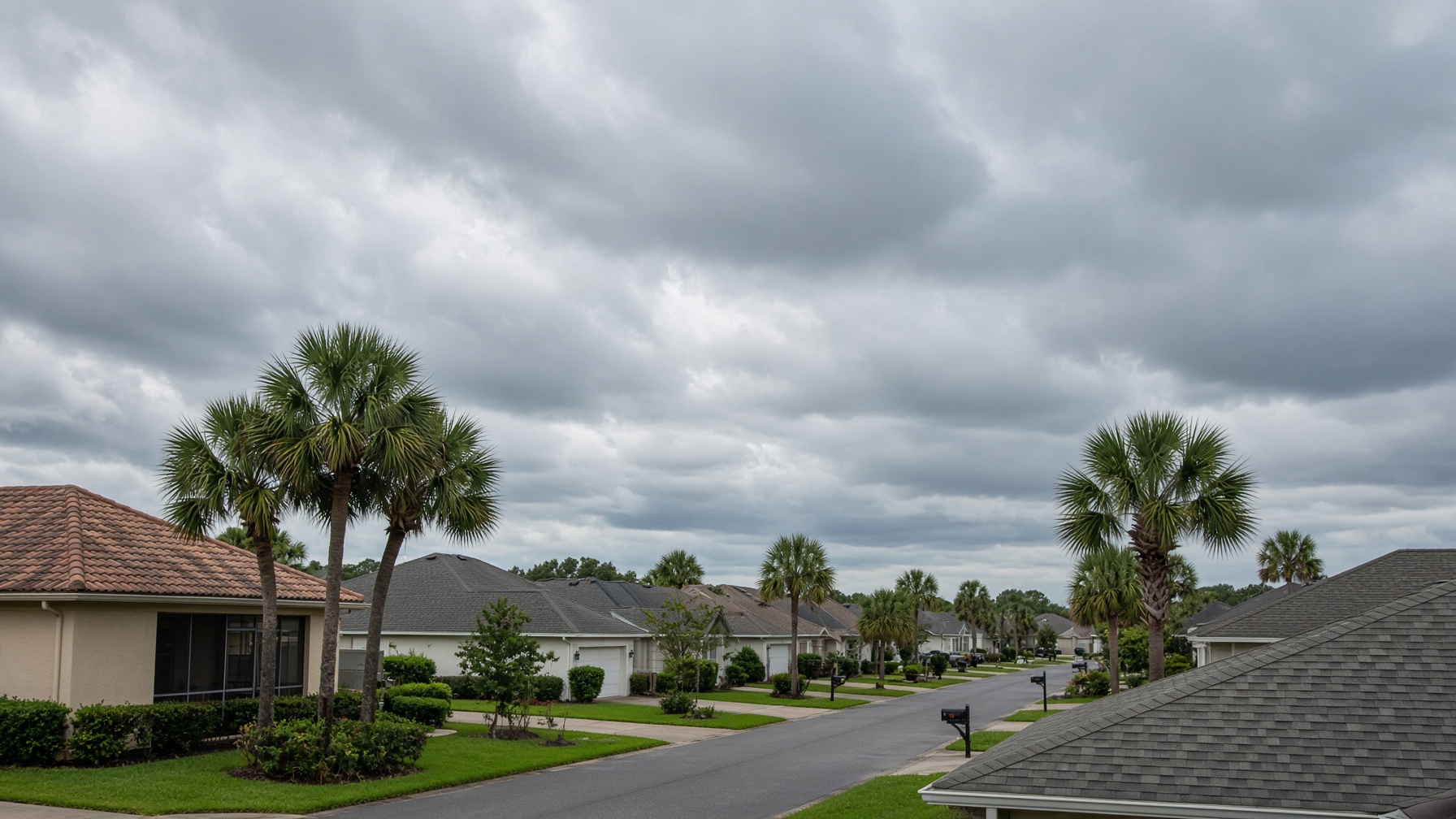
Hurricane season on the I-4 corridor is not a single weekend. It is a stack of afternoon storms plus the chance of a named system. A useful check is boring, and it is mostly things you can see from the ground or the attic hatch.
From the yard
- Missing, cracked, or slid tiles, especially at hips and valleys
- Shingle tabs that are lifted, or a patch of granules in the gutter after a dry week
- Wall flashing that has pulled away from the stucco
- Pipe boots that are cracked or split
- Branches that now rest on the cover, or that will, in the next storm
- Skylight curbs and any old satellite mounts
From the attic, if you can do it safely
Look for daylight, stained decking, and a deck that feels soft when a roofer walks it later. A stain is a history of water. It is not, by itself, a full replacement. It is a reason to find the path.
What to do with the list
A short list on a young roof is a repair. A long list on an old underlayment is a replacement conversation, preferably before panels go up. If you care about the insurance credit, read wind mitigation before you assume a new cover fixes every line.
If a storm already happened
Photograph, keep water out of the house if it is safe, and call the insurer before you sign a contract that assigns your claim. Florida’s assignment-of-benefits limits exist because those contracts went badly for homeowners. We will scope the roof. We will not rush you into giving the claim away. The storm page is the after list.
This check is not an inspection and not a mitigation form. It is how you avoid discovering the leak in the ceiling during the third day of rain.